
Platform Development
Building a new digital business
What are platforms?
A web platform is an online environment that offers a variety of services, features and resources through a web browser.
These platforms are accessed over the internet and let users carry out many activities, such as social interactions, business transactions, information management, entertainment and much more.
Web platforms are designed to be accessible from any internet-connected device, making them widely available and convenient.
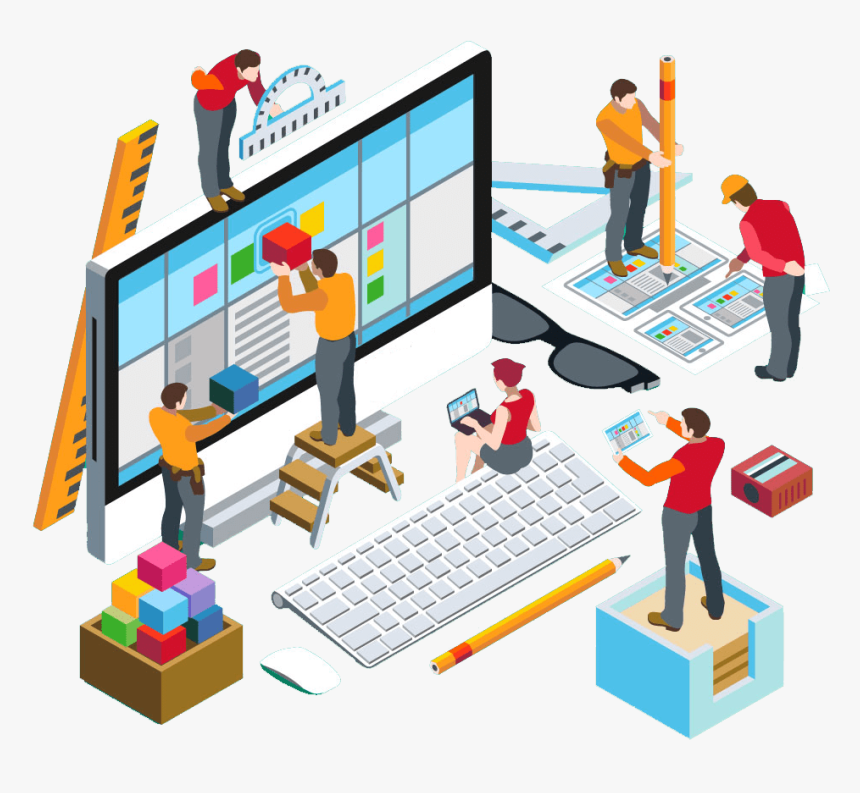
What a Web Platform Is For:
Communication and Social Networking
Web platforms such as social networks let users connect, share content, interact and keep in touch with friends, family and colleagues.
E-commerce
E-commerce platforms let users buy and sell products and services online, providing a convenient shopping experience.
Productivity and Collaboration
Collaboration platforms let teams work together on projects, share documents and communicate regardless of their physical location.
Entertainment and Media
Video, music and gaming streaming platforms offer users digital entertainment with on-demand content.
Online Education
Online learning platforms offer courses, classes and educational resources that can be accessed remotely.
Data and Information Management
Data management platforms help companies store, access and analyze relevant information in an organized way.
Examples of Well-Known Web Platforms
One of the largest social networks in the world, letting users share posts, photos and videos and interact with others.
Amazon
A leading e-commerce platform offering a wide variety of products to buy online.
Google Workspace
A productivity platform that includes apps such as Gmail, Google Docs, Sheets, Slides and more, for collaboration and content creation.

Netflix
A video streaming platform offering a wide range of movies, series and documentaries to subscribers.
Slack
A team communication and collaboration platform for messaging, file sharing and integration with other tools.
A professional social network where users create profiles, connect with other professionals and share achievements and career opportunities.
Trello
A card-based project management platform that helps teams track tasks, collaborate and stay on top of projects.
YouTube
A video-sharing platform where users can upload, watch and share videos across many genres.
WordPress
A content creation and website management platform used by bloggers and businesses to build custom websites.

Building a platform on the Software as a Service (SaaS) model offers many paths to success, as long as it's planned and executed strategically. The SaaS model has proven extremely effective for companies looking to offer flexible, accessible solutions to their customers. Some of the opportunities when building a SaaS platform include:
1. Scalability: SaaS platforms can be scaled with relative ease. As the customer base grows, the platform's infrastructure and resources can be sized to meet rising demand without major disruptions or significant investment.
2. Accessibility and Ease of Use: SaaS platforms can be accessed from any internet-connected device. This makes the solution convenient for users, removing the need for complex installations or frequent updates. An intuitive interface and ease of use are also attractive factors.
3. Simplified Maintenance: SaaS providers are responsible for platform maintenance, security updates and bug fixes. This frees customers from worrying about technical issues, so they can focus on using the platform effectively.
4. Lower Upfront Cost: The SaaS model usually involves lower upfront costs than traditional software solutions. Customers pay monthly or annual subscription fees, making the product more affordable for companies of all sizes.
5. Continuous Updates: SaaS customers benefit from regular updates that bring new features, performance improvements and bug fixes. This keeps the platform aligned with customers' constantly evolving needs.
6. Data Analysis and Personalization: SaaS platforms can collect valuable data on how customers use the software. These insights can be used to personalize the user experience, improve existing features and develop new ones that meet the target audience's needs.
Recurring, Predictable Revenue
The SaaS subscription model provides a recurring revenue stream, which helps stabilize the company's finances and builds a solid foundation for growth.

Frequently asked questions
What is a SaaS platform?
It's software delivered as a service over the internet, accessible from any device and billed by subscription. Customers don't install anything, and the provider handles maintenance, security and updates.
Does INUXiA build marketplaces?
Yes. One example is Alluspa, a platform for renting idle spaces and storage units between individuals and businesses. We also build portals, white-label business directories and content platforms.
How does a digital platform make money?
The most common model is a recurring subscription (SaaS), which brings predictable revenue. Platforms can also earn through commissions, ads, usage-based plans or licensing.